Daily News And Advice
What Exactly Is A Rate Lock?

Mortgage lenders, like pretty much any type of industry, have their own internal lingo. It’s certainly one that is difficult to understand, as certain facets of mortgage lending have no standard English equivalent. Many times, loan officers can use some of their own internal lingo with a client, mistakenly assuming the client knows what the loan officer is actually saying. One of those terms is a mortgage rate lock, or sometimes simply a ‘lock.’ What are rate locks and how do they work?
A rate lock is when an interest rate is guaranteed on a particular loan for a specific period of time. Many times, consumers can think that if they see a rate online or get a quote from a loan officer that the rate pretty much stays there. That’s not the case. Mortgage rates can change daily, depending upon economic and market conditions. During extremely volatile times, they can even change during the course of a day. And until that rate is locked, the rate can change or ‘float.’
Lenders don’t lock rates for a borrower without the direct authorization from the borrower. While each individual lender may have slightly different rules on when and how a rate can be locked, there are a few general guidelines you can expect.
One is how long the rate lock can be made. And the longer the rate lock requested, the more expensive the rate will be. That makes sense because someone can’t expect a lender to lock in a rate for 60 days compared to a lock for 10 days, for instance. That means you should lock in your rate only long enough to cover your closing date. If your sales contract says the close date is say 30 days out, then you’ll want to lock in for 30+ days.
You also want a little cushion in case there are any delays but the way the mortgage market is set up these days, it’s doubtful delays will occur, but they can happen. Another appraisal might be needed or maybe the appraisal needs another comp listed. Maybe there appears to be an issue with the title and that needs to be cleared up as well. Title issues are referred to as a ‘cloud’ on the title.
One last thought- if you do lock in and rates go up, you’re protected. But what if they go down? Same. The rate lock is the lock. Some lenders do offer a ‘float down’ option if market rates fall far enough but lenders won’t do a float down without a fee. All of these parameters for your lender will be spelled out in a rate lock form you receive as part of your initial disclosure package. And as always, if you have any questions, speak directly with your loan officer.
FULL STORY->
|

Seven Steps to Take to Prepare Your House to Sell in the New Year
The holidays are a wrap, and with the coming of the new year, many people are starting to make their new year’s resolutions. If selling your home is one of those resolutions, it’s beneficial to take steps now to prepare your house to sell in the new year. Getting a jump start on this preparation can help your home be ready for the spring/summer homebuying season, an annual tradition that typically sees an increase in buyer demand.
Preparing a house for sale in the new year involves more than taking down the holiday decorations. Some of the key steps to take before putting your home on the market in the new year include:
1. Decide on a listing date
One of the first steps is to decide when you want to put your house on the market and create a timeline for all the tasks that need to be completed before this happens. Work backward from the listing date to establish deadlines for each task. Establishing these deadlines can be a great motivator for getting all of the to dos done in order to showcase your house to its best advantage.
2. Hire a REALTOR®
A REALTOR® will guide you through the selling process and provide a plan for attracting potential buyers to get your house sold for the best possible price. REALTORS® have reams of data and calculators at their fingertips to help you make the most strategic choices when selling your house.
3. Give the house a deep clean
Deep cleaning goes beyond vacuuming and dusting. Giving your home a deep clean means getting carpets steam cleaned, mopping floors, cleaning windows inside and out, washing walls to remove stains and scrubbing bathrooms. Consider using professional carpet cleaning and maid services to really make your house sparkle and shine.
4. Get rid of all the clutter
De-cluttering will make your house seem more spacious and make it easier for potential buyers to envision themselves in the house. Start the de-cluttering process by cleaning out closets, cabinets, and garages. Donate clothing and other items of use and throw out items that are broken or cannot be used.
5. Make needed repairs and updates
Leaky faucets, chipped paint, running toilets, and squeaky doors may seem minor but really signal to potential buyers that your home has not been well maintained. To help attract buyers and get top dollar for your home, take the time to make needed minor repairs and consider updates such as repainting rooms with neutral paint colors, replacing worn carpeting, and modernizing bathroom and lighting fixtures.
6. Spruce up curb appeal
Sprucing up the curb appeal of your home is an important step to take before putting it on the market. In fact, among REALTORS®, 94% have suggested sellers improve their curb appeal before listing a home for sale. This recommendation is so common simply because the outside of your home is the first thing buyers see when they pull up to the curb and as the saying goes - you never get a second chance to make a first impression. Painting or replacing the front door, keeping the lawn mowed and weeded, trimming overgrown shrubs and trees, and repairing cracked walkways are just a few things that can go a long way to sprucing up the curb appeal of your home.
7. Stage it to sell
Staging your home can show it in its best light. The National Association of REALTORS® Profile of Home Staging found that 40% of buyers’ agents cited that home staging had an effect on most buyers’ view of the home, and 83% of buyers’ agents said staging a home made it easier for a buyer to visualize the property as a future home. Staging a house can involve things like adjusting furniture layouts to make rooms appear larger, repainting rooms, opening curtains and blinds to let light in and adding extras like fresh flowers in vases, a bowl of fruit in the kitchen and folded towels in the bathrooms.
If selling your house is on your list of New Year’s resolutions, make sure to take the steps outlined above to get it ready to sell. This preparation can help your house stand out among the millions of homes nationwide projected to sell in the new year.
FULL STORY->
|
HELOC or Home Equity Loan: Which One Is Right for You?
If your home has increased in value and you are short on cash or have a large upcoming expense, you may be thinking about tapping your home equity. Home equity loans and home equity lines of credit (HELOC) are two easy ways to turn your appreciation into cash in hand, but how do you know which way to go—or if you should go at all?
While there are definite advantages to accessing your equity over taking out a personal loan or using credit cards, especially if you’re intending to use the funds for home improvement, the No. 1 thing to consider before you take any money out of your home is whether you can really afford it. Take out a home equity loan or use the funds from a HELOC and your monthly obligation will increase. But that’s not all. Should you have a change in circumstances like a job loss or simply extend yourself beyond your financial comfort zone, causing you to miss payments, you could be putting your home at risk of foreclosure.
“Because the loans are secured against the value of your home, home equity loans offer extremely competitive interest rates—usually close to those of first mortgages. Compared to unsecured borrowing sources, like credit cards, you’ll be paying far less in financing fees for the same loan amount,” said Investopedia. “But there’s a downside to using your home as collateral. Home equity lenders place a second lien on your home, giving them the right to eventually take over your home if you fail to make payments. The more you borrow against your house or condo, the more you’re putting yourself at risk.”
Should you want to move forward, it’s important to know the difference between a home equity loan and a HELOC so you can make the decision that best suits your need.
“HELOCs and home equity loans extract value from your home but add to your debt,” said NerdWallet. “The loan is a lump sum, the HELOC draws money as you need it.” Both loans typically offer a shorter term than borrowers have on their mortgage. “Home equity loans and HELOCs are paid off within five to 20 years, while 30 years is typical of a first mortgage,” said Bankrate.
Let’s break that down a little further.
About home equity loans
Borrowers who choose home equity loans often do so because of the fixed interest rate. The stable payment schedule means they don’t have to worry if rates go up. But, the fact that this type of loan is given in one lump sum doesn't necessarily track with everyone’s needs. If you are the type that wants more flexibility in your loan, a HELOC may be the better choice. If you get a loan for $25,000 and only use $5,000, you’re still required to pay on the total amount loaned.
A home equity loan can also be problematic if your home’s value drops after you have tapped all your equity. In this situation, you could find yourself underwater, or owing more than the home is worth. Homes in some hard-hit areas remained underwater many years after the market crash, with “more than 820,000 underwater homeowners” who owed more than double what their home was valued for, according to CBS News.
About home equity lines of credit
With a HELOC, you are still borrowing against the available equity in your home, however the funds are provided differently. Instead of having a lump sum, you use a HELOC like you would a credit card, accessing money as you need it and only paying interest on what you use.
“As a line of credit, a HELOC allows for flexibility around both borrowing and paying back the money you borrow,” said Credit Karma. “But it can also require borrowers to stay especially disciplined when it comes to taking out the funds and repaying their lenders.” That’s because HELOCs typically offer adjustable rates; if the interest rate rises, so does your payment.
“A HELOC’s interest rate is usually variable and can change. The interest rate is often tied to the prime rate and can be affected by market forces that could change quite a bit over the life of the HELOC,” said Credit Karma. “There may be limits to those changes though, like a periodic cap (a limit on rate changes at one time) or a lifetime cap (a limit on rate changes during the loan term).”
Most HELOCs also have “two phases,” said Investopedia. “During the draw period – typically 10 years – you can access your available credit as you see fit. Many HELOC contracts require small, interest-only payments during this period, though you may have the option to pay extra and have it go against the principal.”
At the end of the period, borrowers have to start repaying the principal in addition to the interest, and, “From here on out, you can no longer access additional funds and you make regular principal-plus-interest payments until the balance disappears. During the 20-year repayment period, you must repay all the money you’ve borrowed, plus interest at a variable rate.”
Payment shock often hits at this point because, “The monthly payment can almost double. According to a study conducted by TransUnion, the payment on an $80,000 HELOC at 7% annual percentage rate will cost $467 a month during the first 10 years when only interest payments are required. That jumps to $719 a month when the repayment period kicks in.”
FULL STORY->
|
Turn Empty Rooms Into Useful Spaces
What Kind of Room Do You Want? Use your imagination. Create a multipurpose room and make it as informal or as formal as you want. Here are a few ideas:
{loadmoduleid 306}
Den/Guest Room
Turn the room into a guest room, reading room or den.
A den can be a small, comfortable version of a living room. Family and guests can play games or watch TV while everyone else relaxes in the more formal living room.
A reading room allows you to close the door and read in peace and quiet. Use task lighting in the room for different activities.
To create a guestroom, simply add a twin or double bed to your den or reading room. Turn the bed into a comfy reading area by adding pillows. Your guests will be more relaxed having their own room and your family will have privacy when visitors spend the night.
Hobby/Craft/Storage Room
Sewing room, craft room or indoor potting area? Any of these (or a combination) would make a great addition to your home.
For the creative side in all of us, wouldn't it be great to have a room dedicated to crafts? The room should be complete with a work table and should be multifunctional for activities throughout the year. During the holidays, use the room as a gift wrapping station.
If collecting is your hobby, turn your spare space into a memorabilia room. Let your friends get the full effect of the extent of your collections. All of your items can be neatly arranged and protected in one room.
More storage space, we all need it. Organize your spare room using the many storage systems available. Storage boxes combined with wire shelving will leave your home clutter-free.
Bring your favorite outdoor hobby indoors for the winter. An indoor potting room allows you to re-pot your overgrown plants and keep the re-potting mess out of the kitchen. Make sure your floors are water and stain-resistant.
Home Office
Convert the entire room or just the closet into an office.
Now is your chance to move the computer out of the kitchen and into an office. Whether you work from home on a daily basis or you just want a quiet place to work on occasion, a home office is a nice addition.
Use stock kitchen cabinets to create lots of storage space for your home office.
Be sure to add a comfortable chair and an appropriately sized desk or table.
Recreation or Music Room
A recreation room is a great place to entertain. Add a bumper table, beanbag chairs, and a small refrigerator. Decorate the walls with your favorite posters and neon lights for the ultimate party atmosphere.
Have you always wanted to have your own personal space to practice your music? With your own music room, you can have privacy and isolate the noise.
Here are a few tips for inexpensively absorbing sound in a recreation or music room:
Use heavy carpeting and padding in the room to help keep sound from escaping through the floor. If you have hardwood floors and don't want to cover them, add rugs to absorb sound.
Pad walls with blankets, 1/4" thick carpet (applied with mastic), heavy fabric or self-sticking cork tile squares.
If you don't like the idea of hanging blankets or fabric on your walls, plain fabric wallpaper or heavy wallpaper will help to absorb some sound.
If possible, install and weatherstrip a solid wood door.
Planning and Arranging
When you've chosen the type of room, go through the design process and choose everything you want to include in the new room, from paint to light fixtures. Planning ahead will save you money in the long run.
Changing the color of a room can give it a facelift. If you aren't adding sound-absorbing material to the walls, paint the room a color to fit the atmosphere. Choosing the color scheme may be one of the most important decorating decisions you make.
Use one of the many faux painting techniques for a textured look and to hide minor damage to the walls.
Determine the focal point of the room. Find the dramatic element that draws your immediate attention. No matter what type of room you choose to create, there will always be one central focus. Whether it’s a bed in a guest room or a desk in a home office, these items define the space. Arrange the furniture based on the focal point.
FULL STORY->
|
|
|
|
|
Mortgage Rates
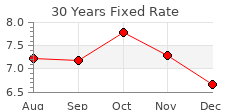
Averages as of January 2024:
30 yr. fixed: 6.67%
15 yr. fixed: 5.95%
5/1 yr. adj: 6.42%
|
|
|
|